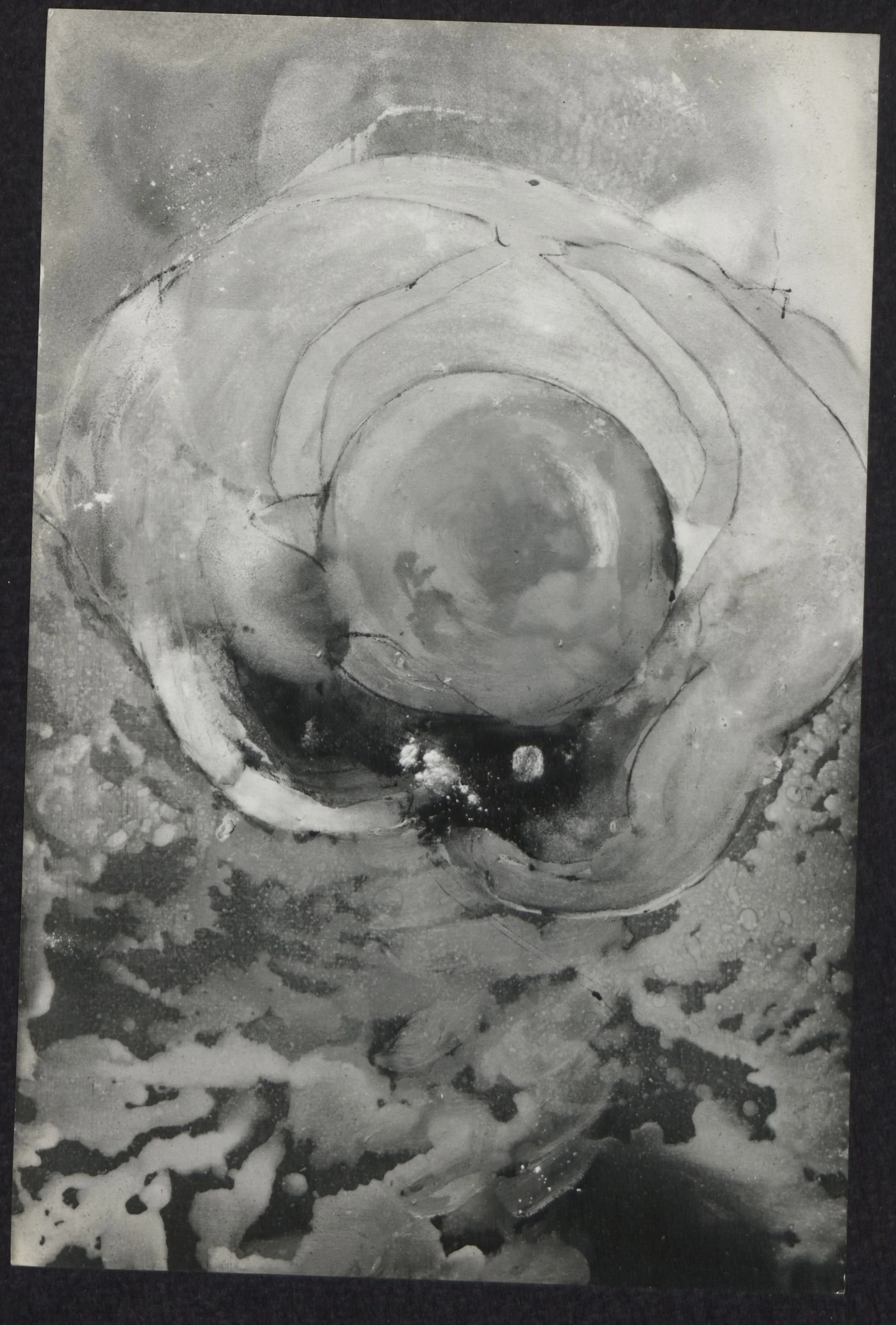
Erection (painting: oil on canvas), Brussels, 1967.
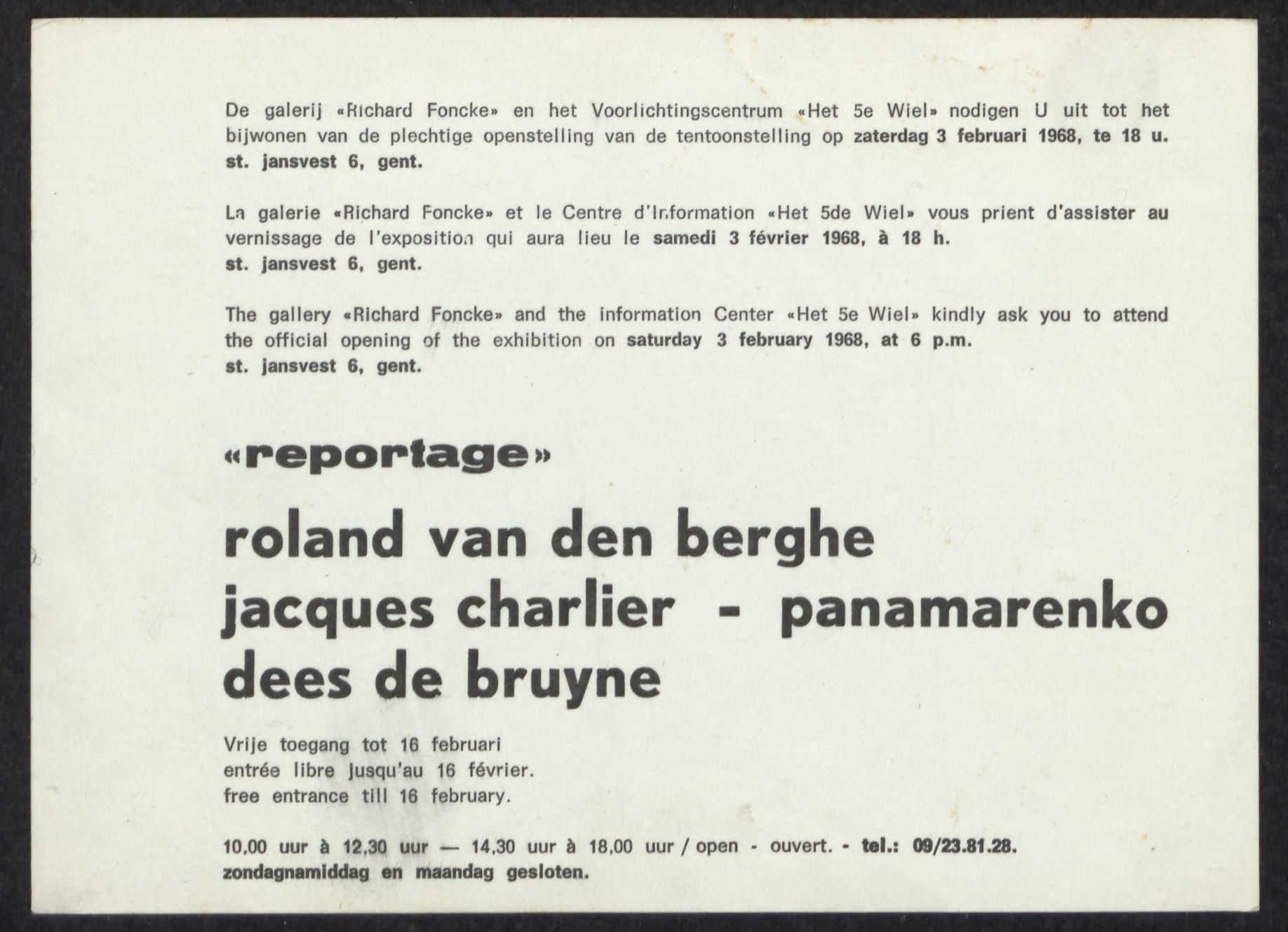
Invitation to the exhibition Reportage, Ghent, 1967. Roland Van den Berghe Archive.
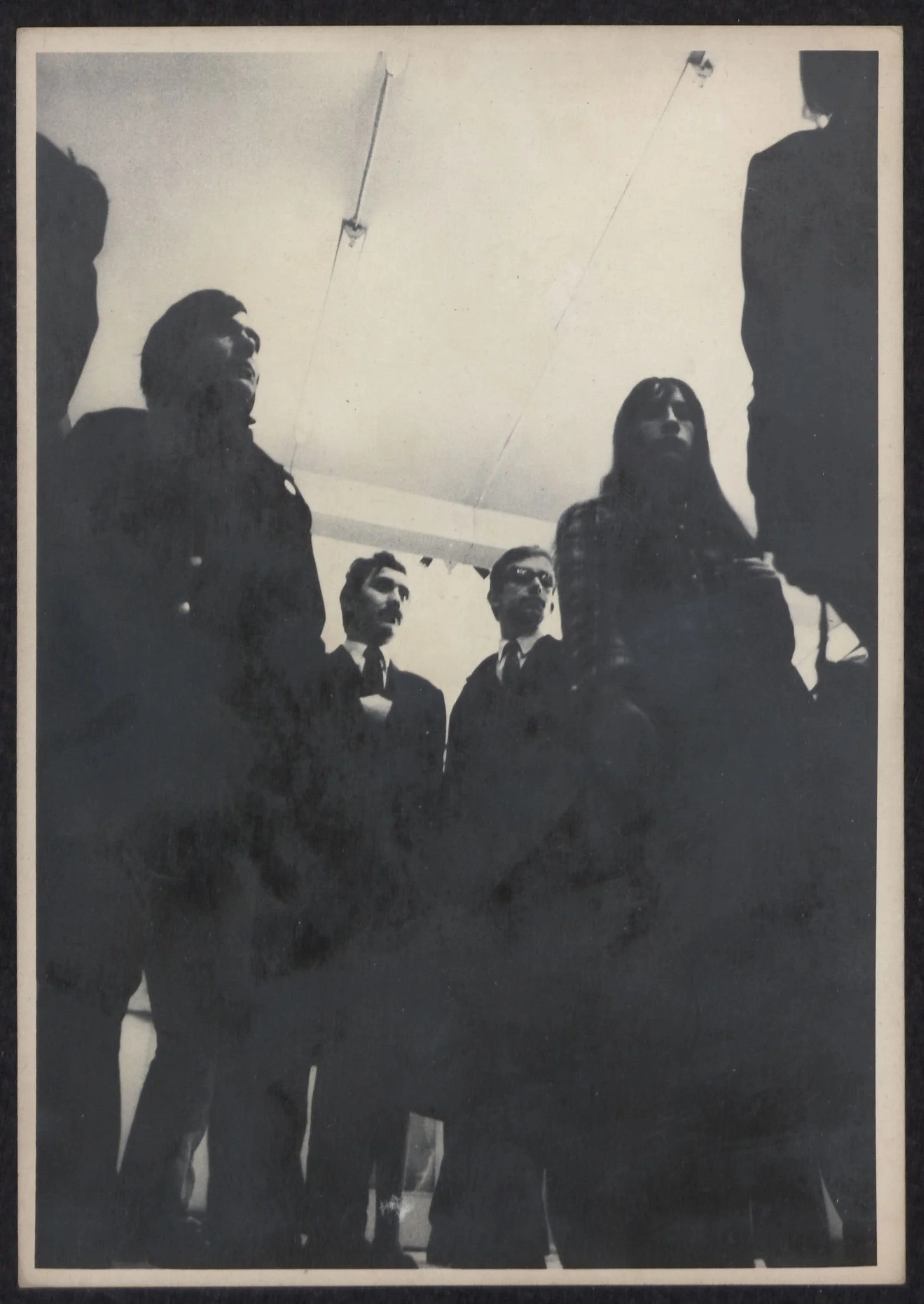
Photo Exhibition Reportage, Brussels, 1967. Photographer unknown.
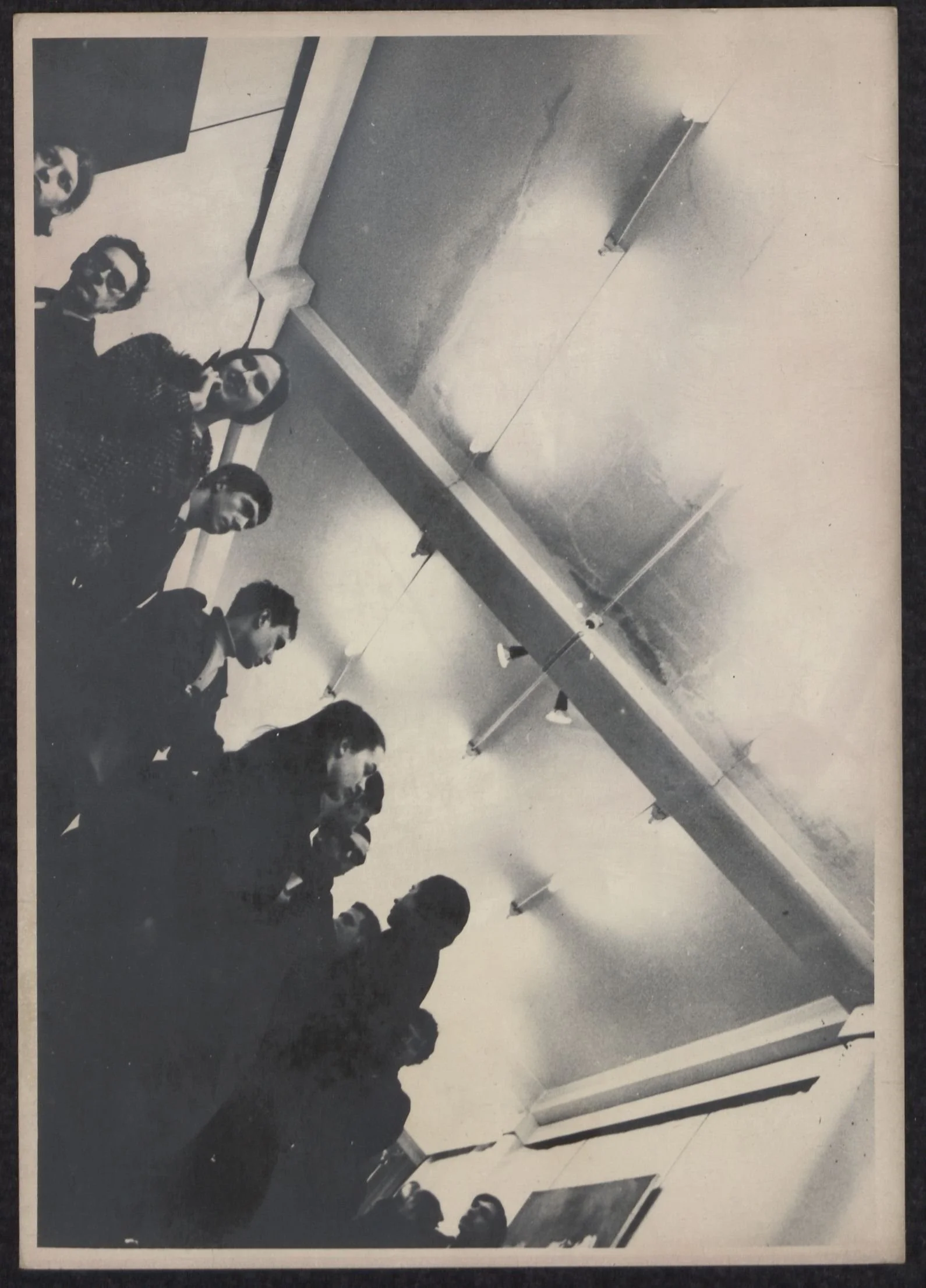
Photo Exhibition Reportage, Brussels, 1967. Photographer unknown.
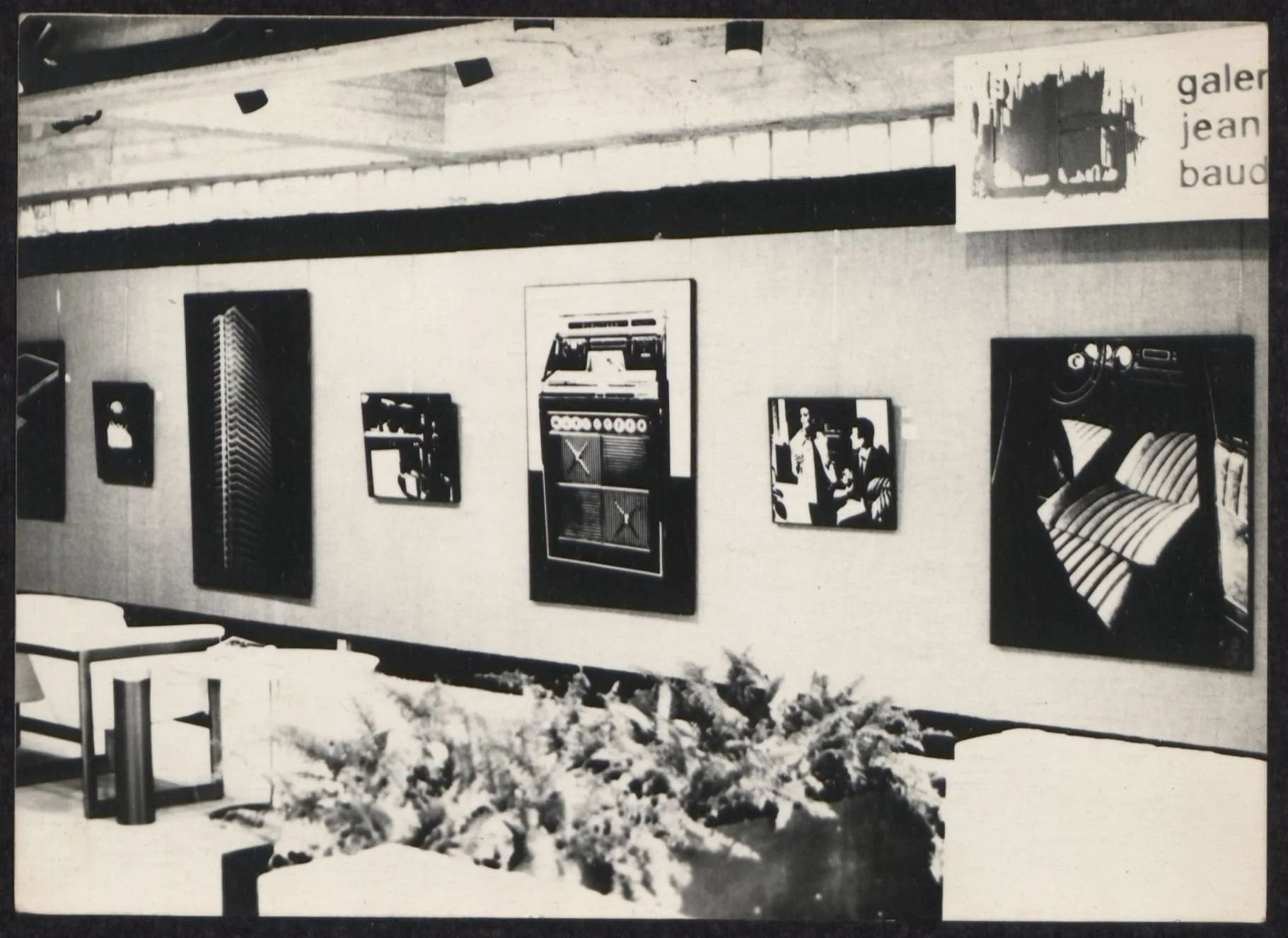
Photo Exhibition Reportage, Brussels, 1967. Photographer Roland Van den Berghe.
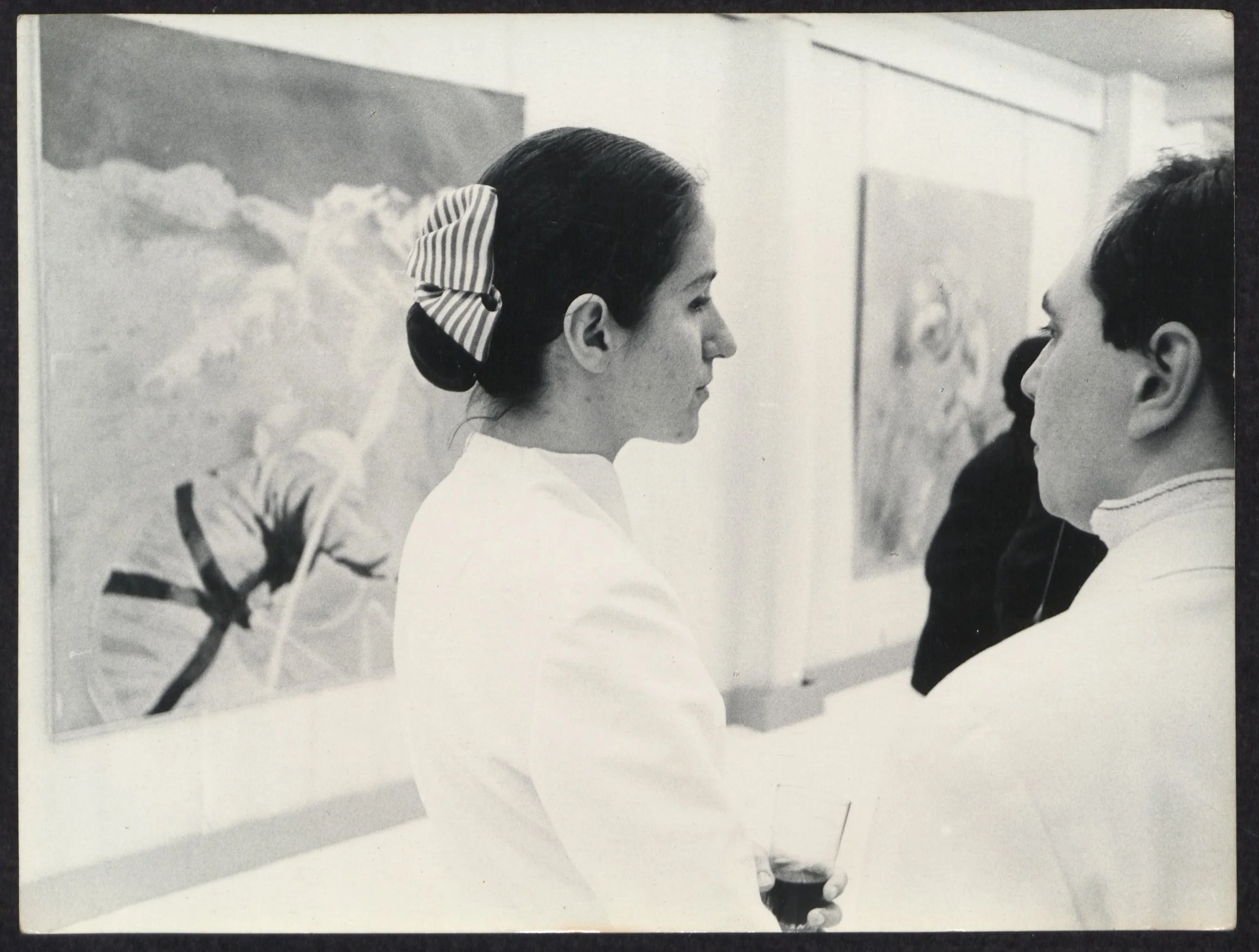
Photo Exhibition Reportage, Brussels, 1967. Photographer unknown.
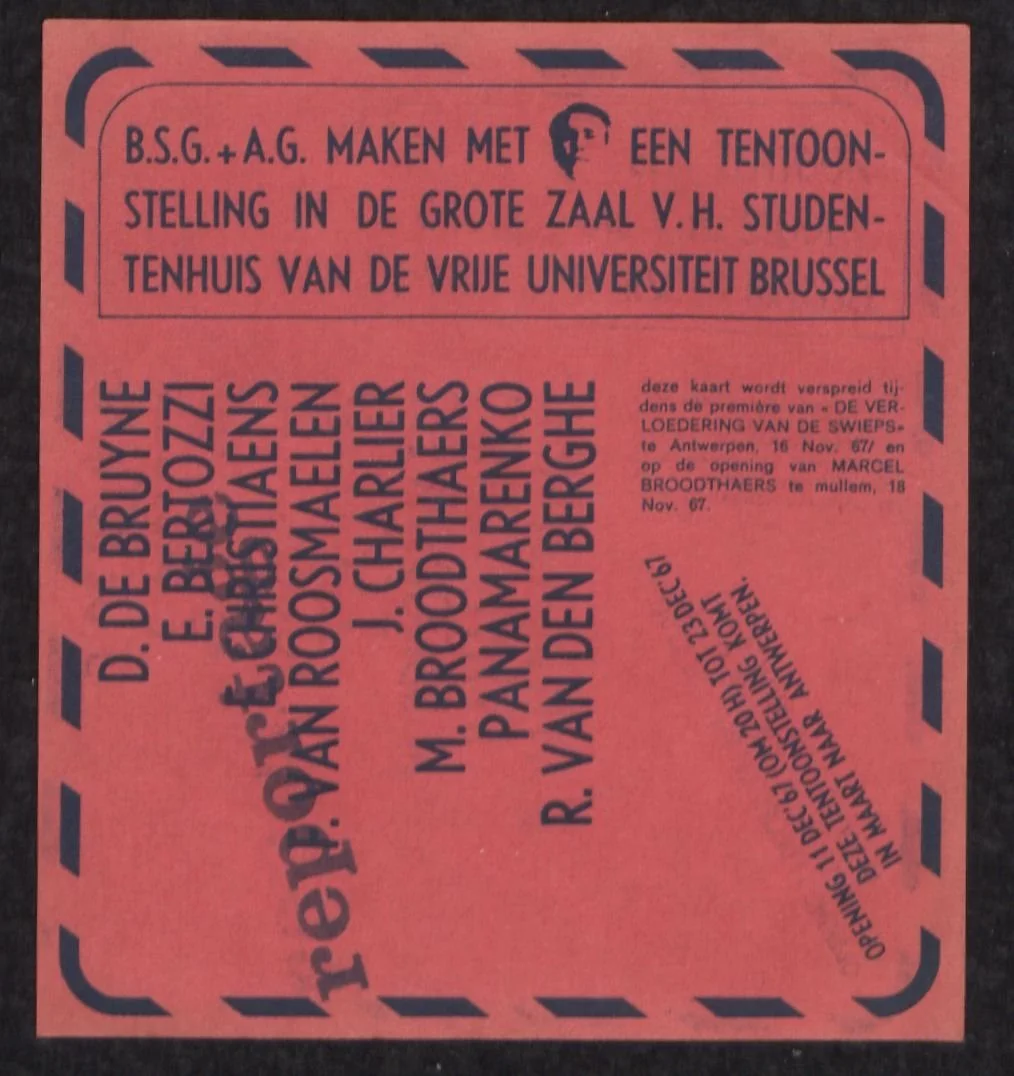
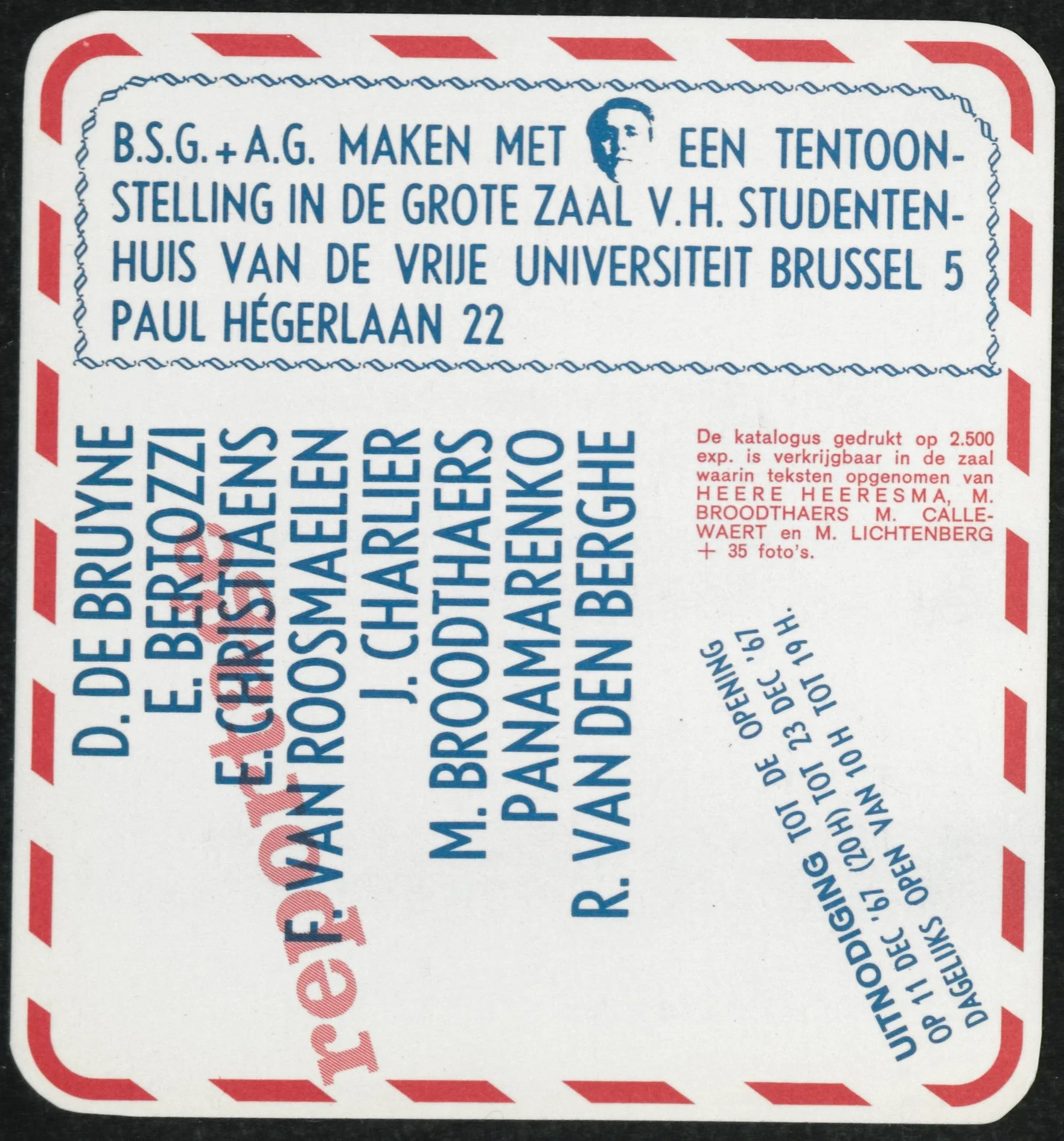
Invitation to the exhibition Reportage, 1967. Roland Van den Berghe Archive.
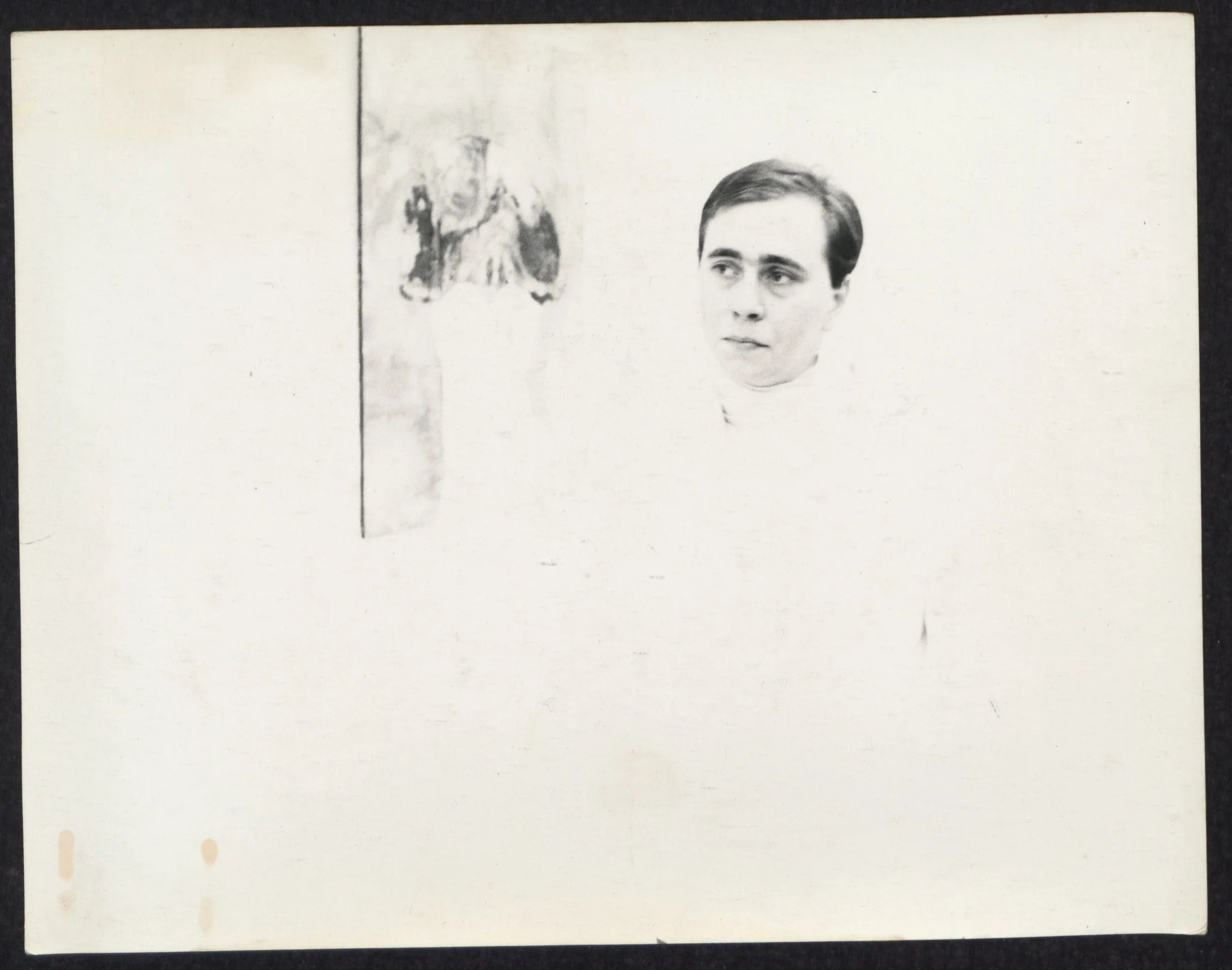
Photo Exhibition Reportage, Brussels, 1967. Photographer unknown.
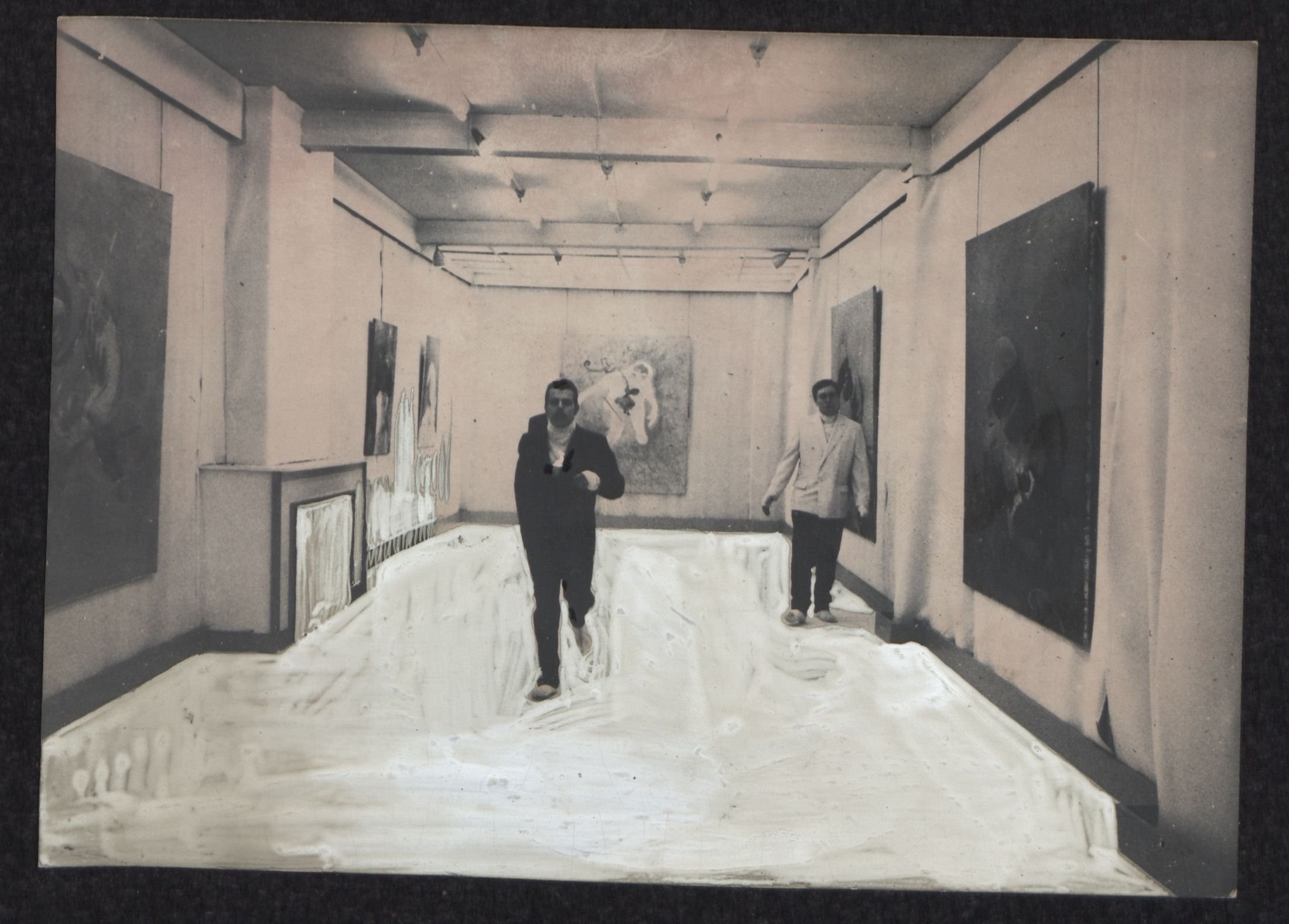
Photo Exhibition Reportage, Brussels, 1967. Photographer unknown.
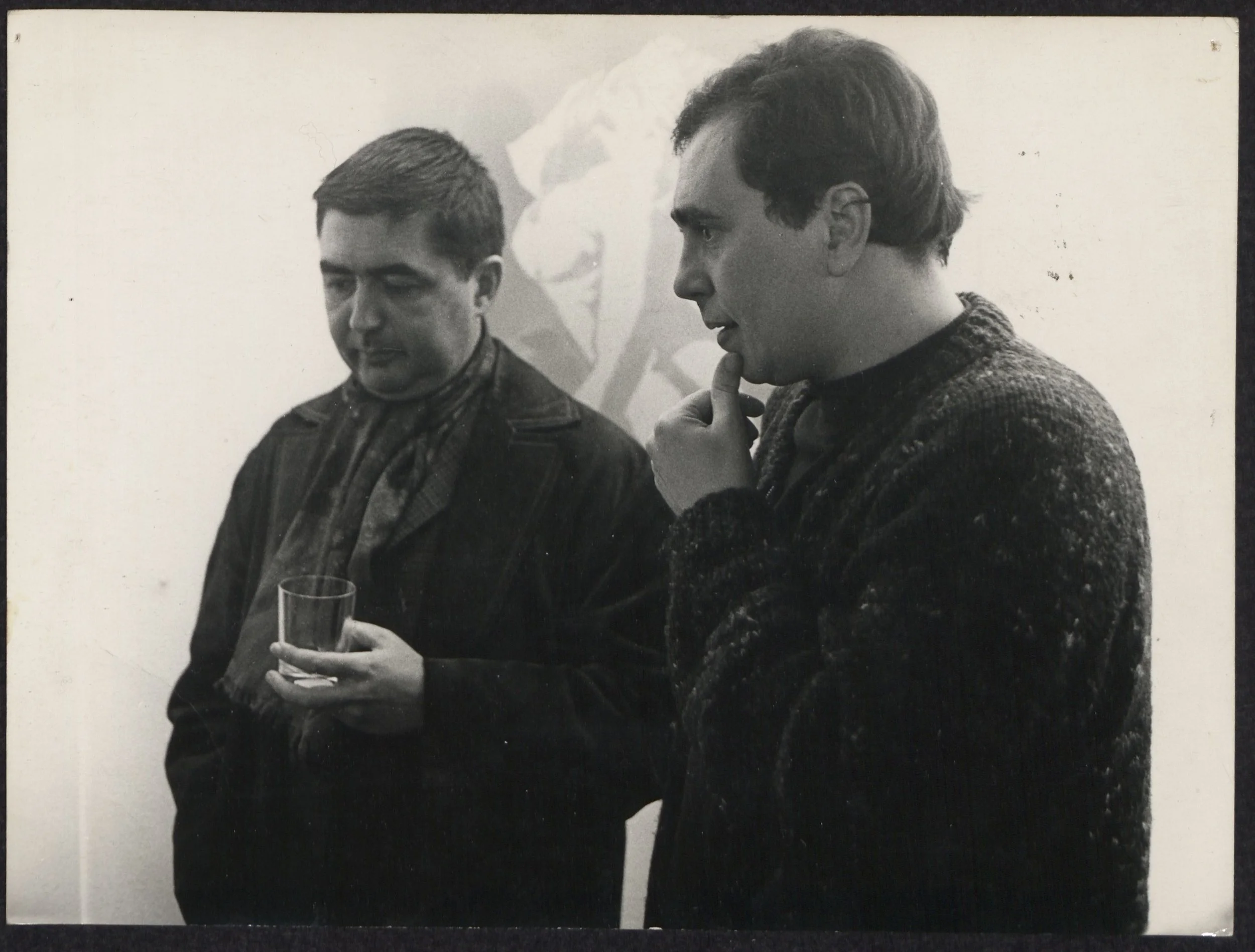
Photo Exhibition Reportage, Brussels, 1967. Photographer unknown.
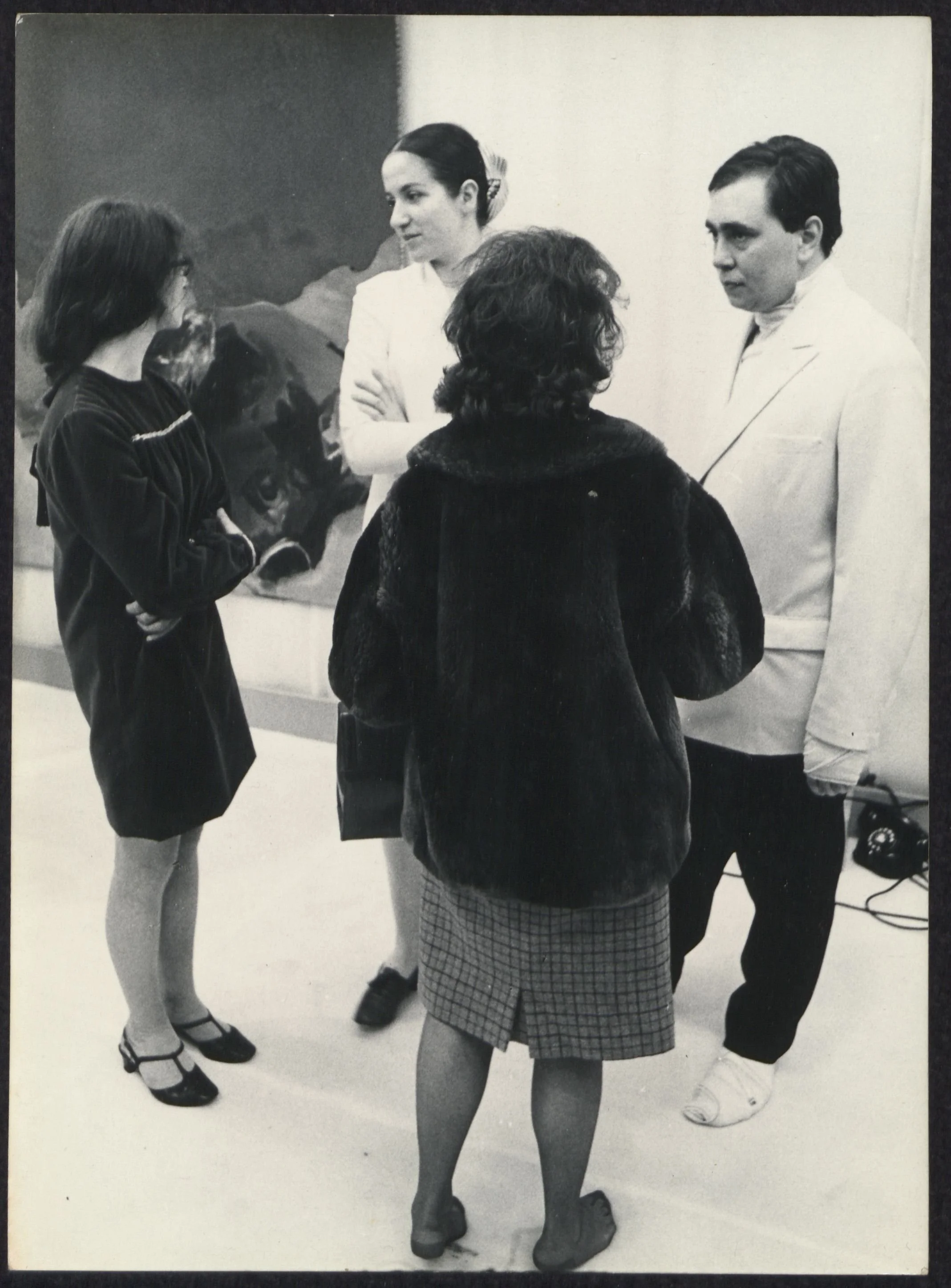
Photo Exhibition Reportage, Brussels, 1967. Photographer unknown.
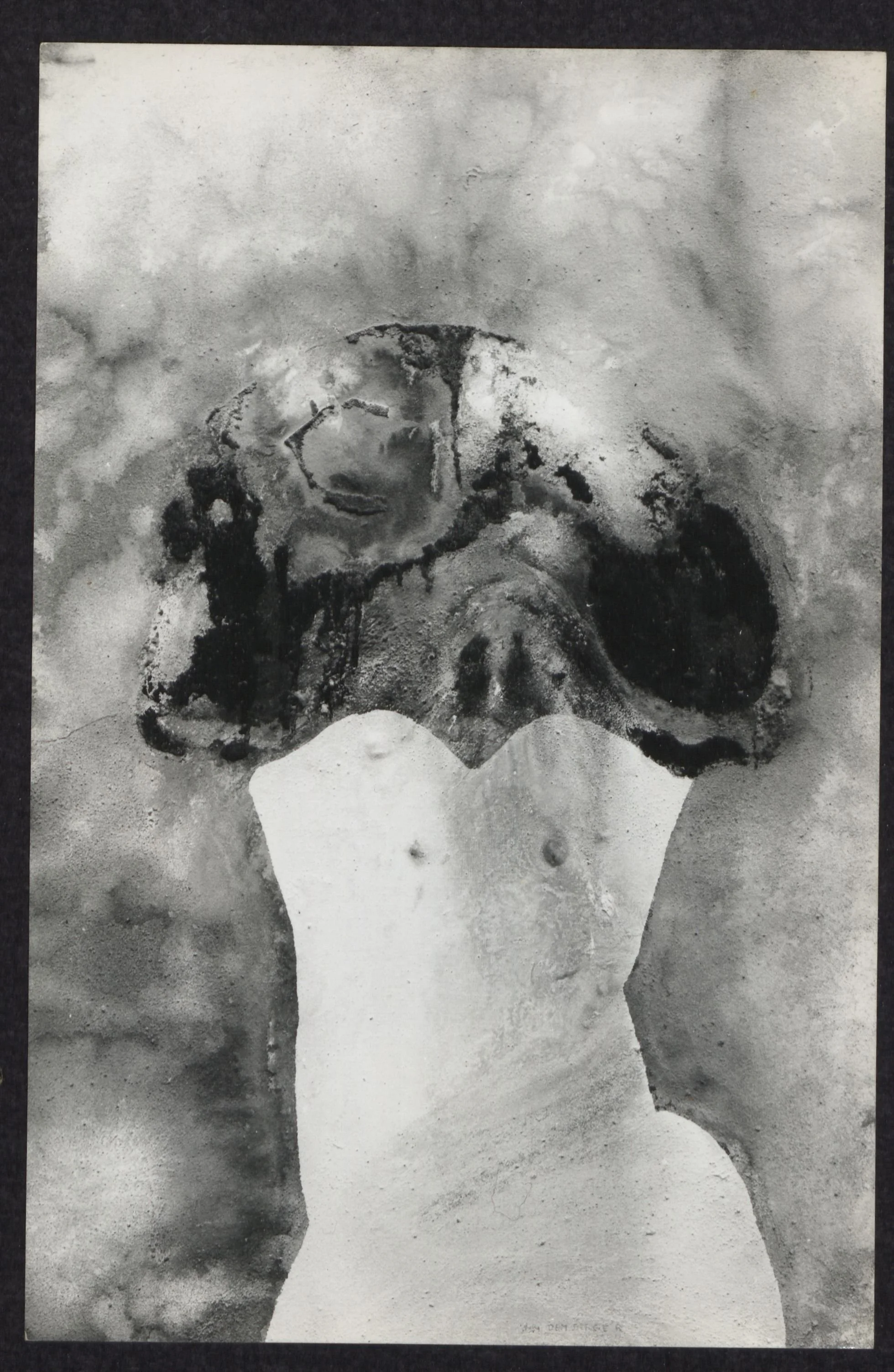
Buster Keaton (painting: oil on canvas), Brussels, 1967.
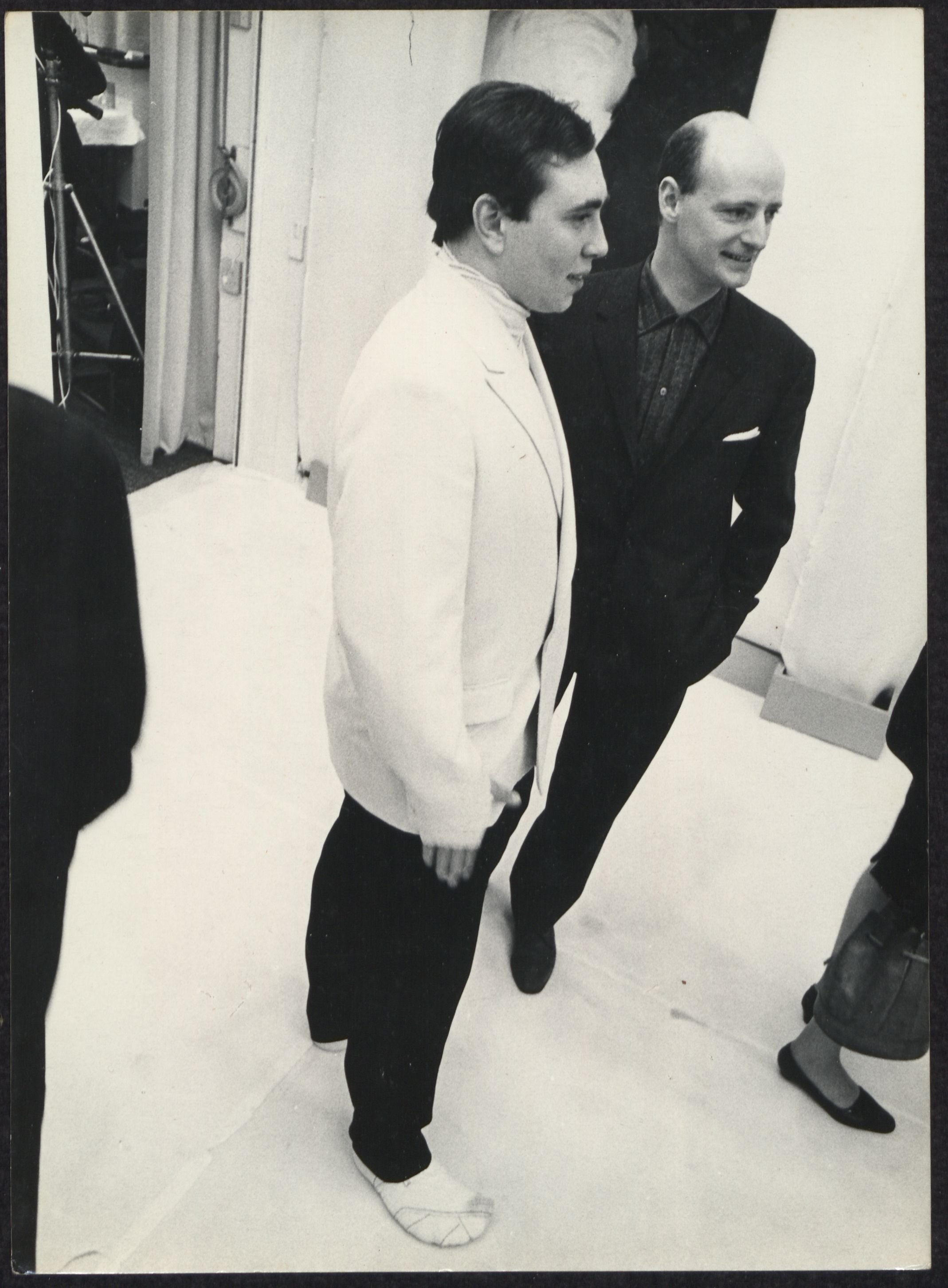
Photo Exhibition Report, Brussels, 1967. Photographer unknown.
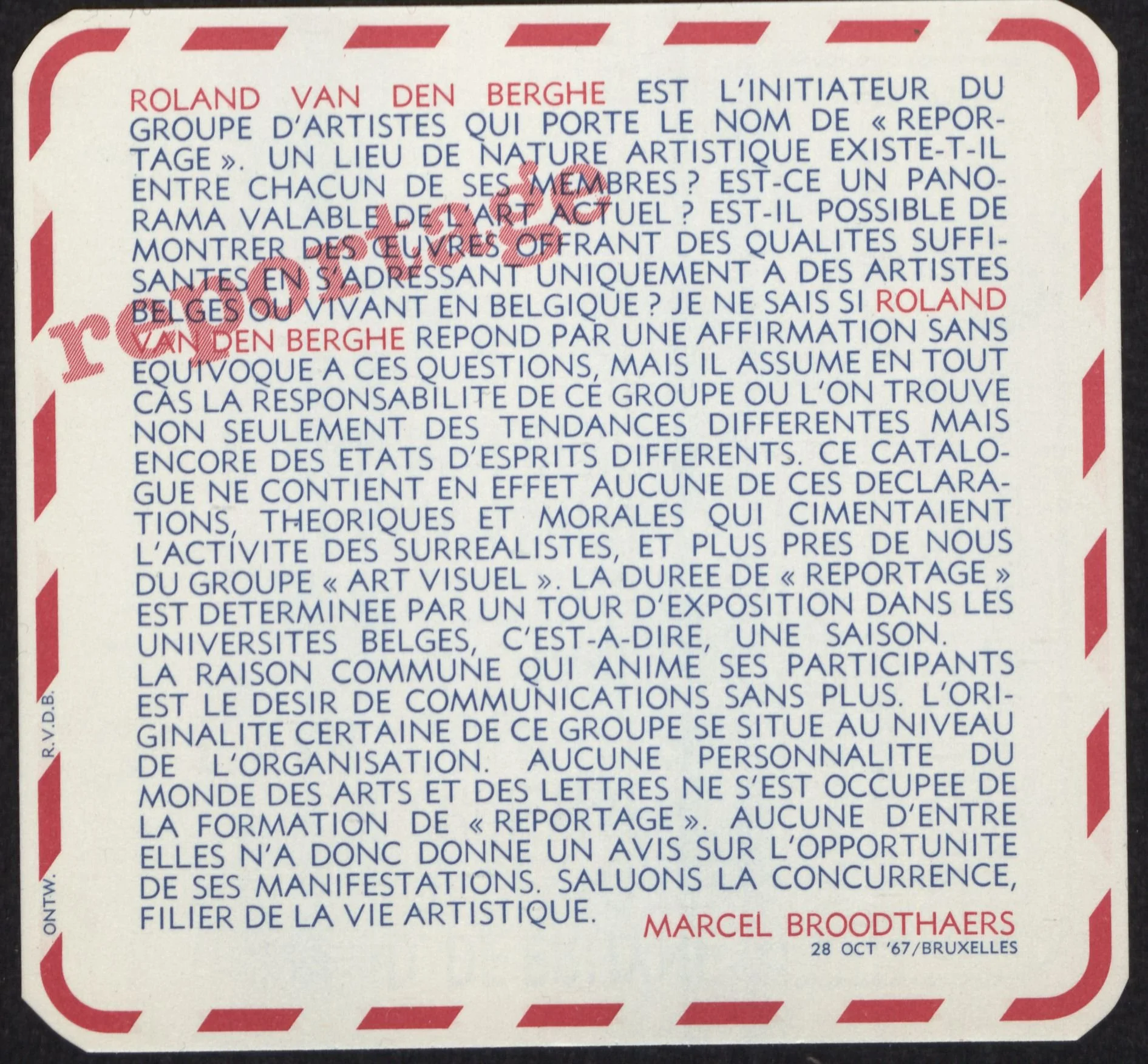
Invitation to the exhibition Reportage, 1967. Roland Van den Berghe Archive.
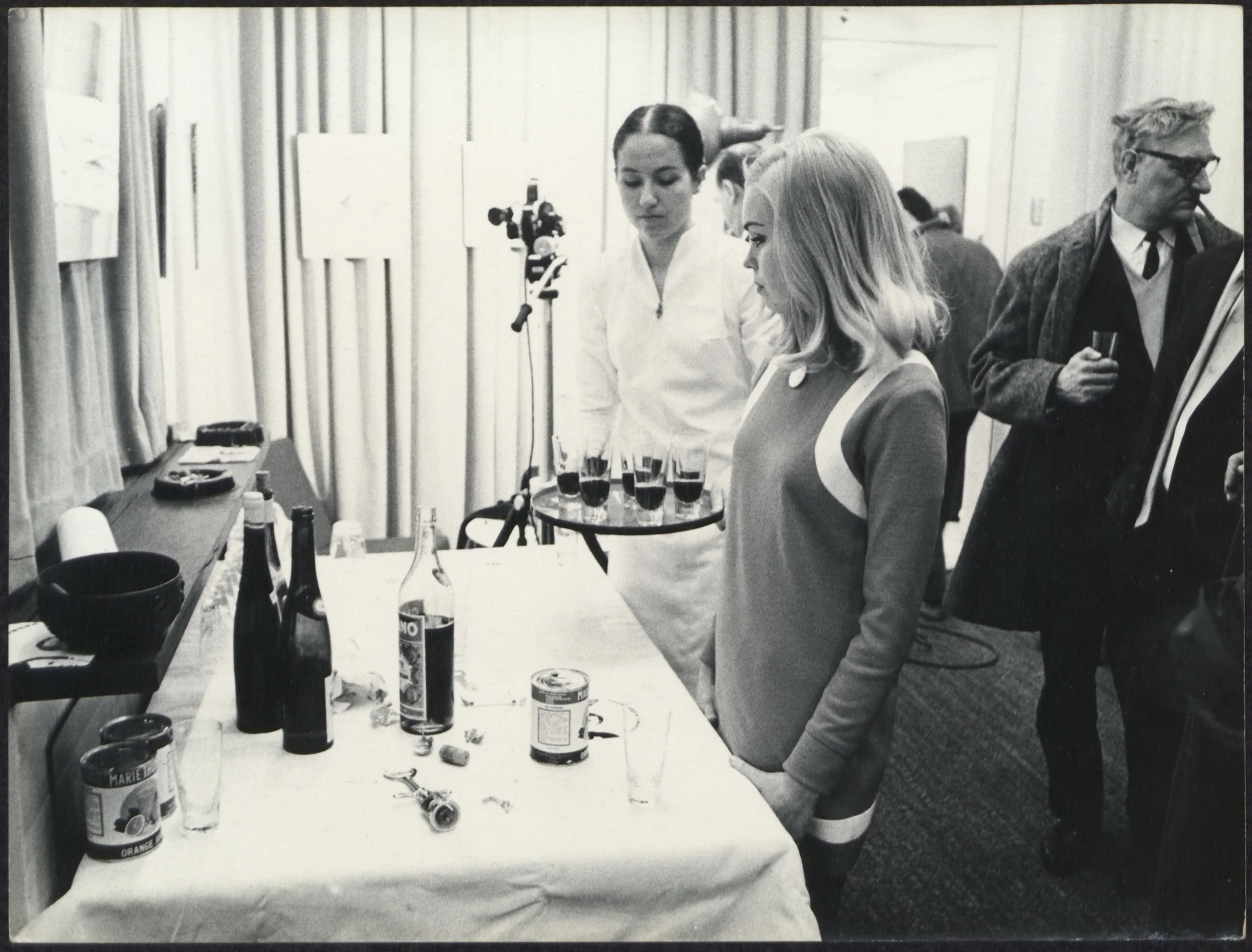
Photo Exhibition Report, Brussels, 1967. Photographer unknown.
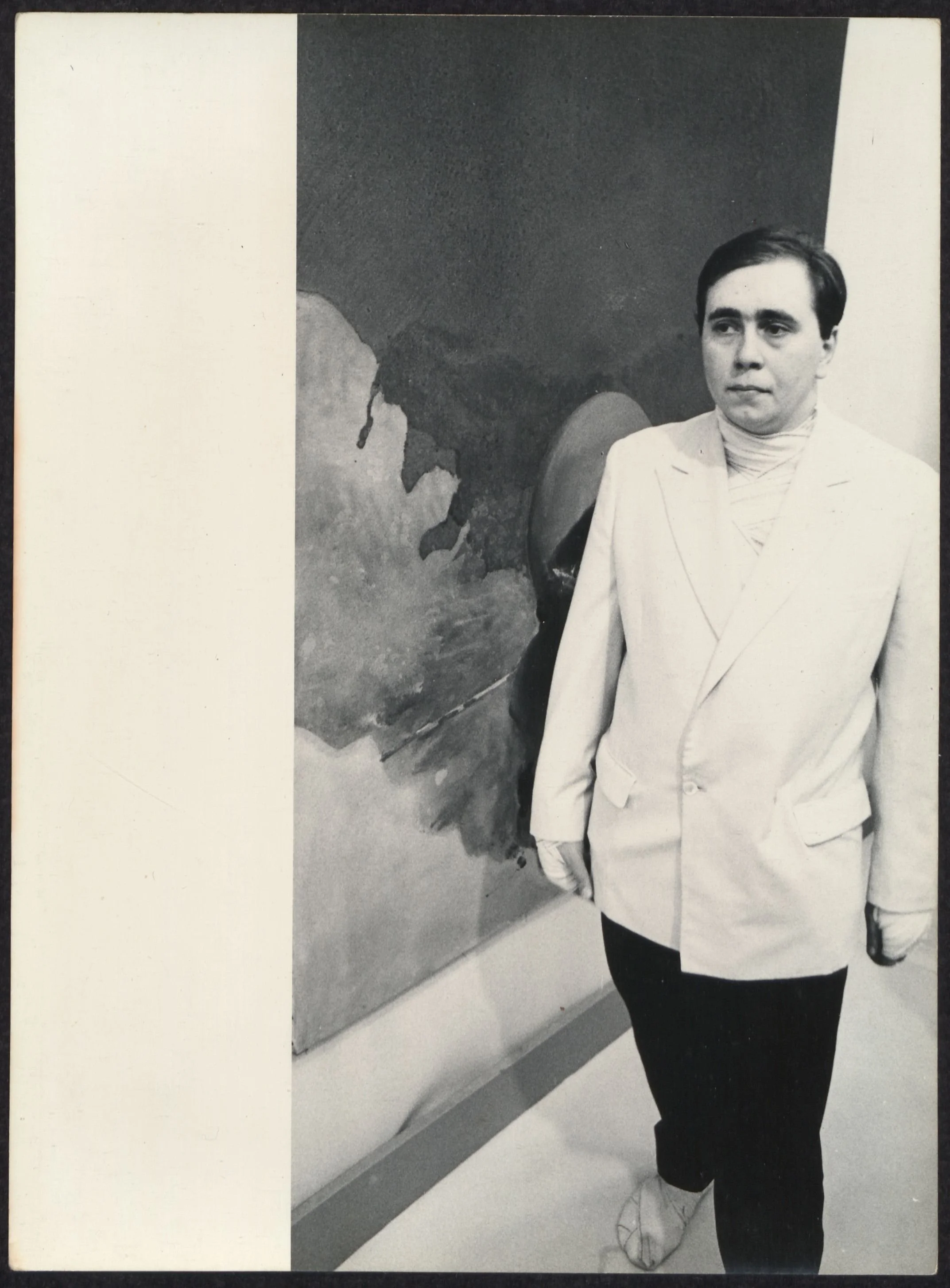
Photo Exhibition Report, Brussels, 1967. Photographer unknown.
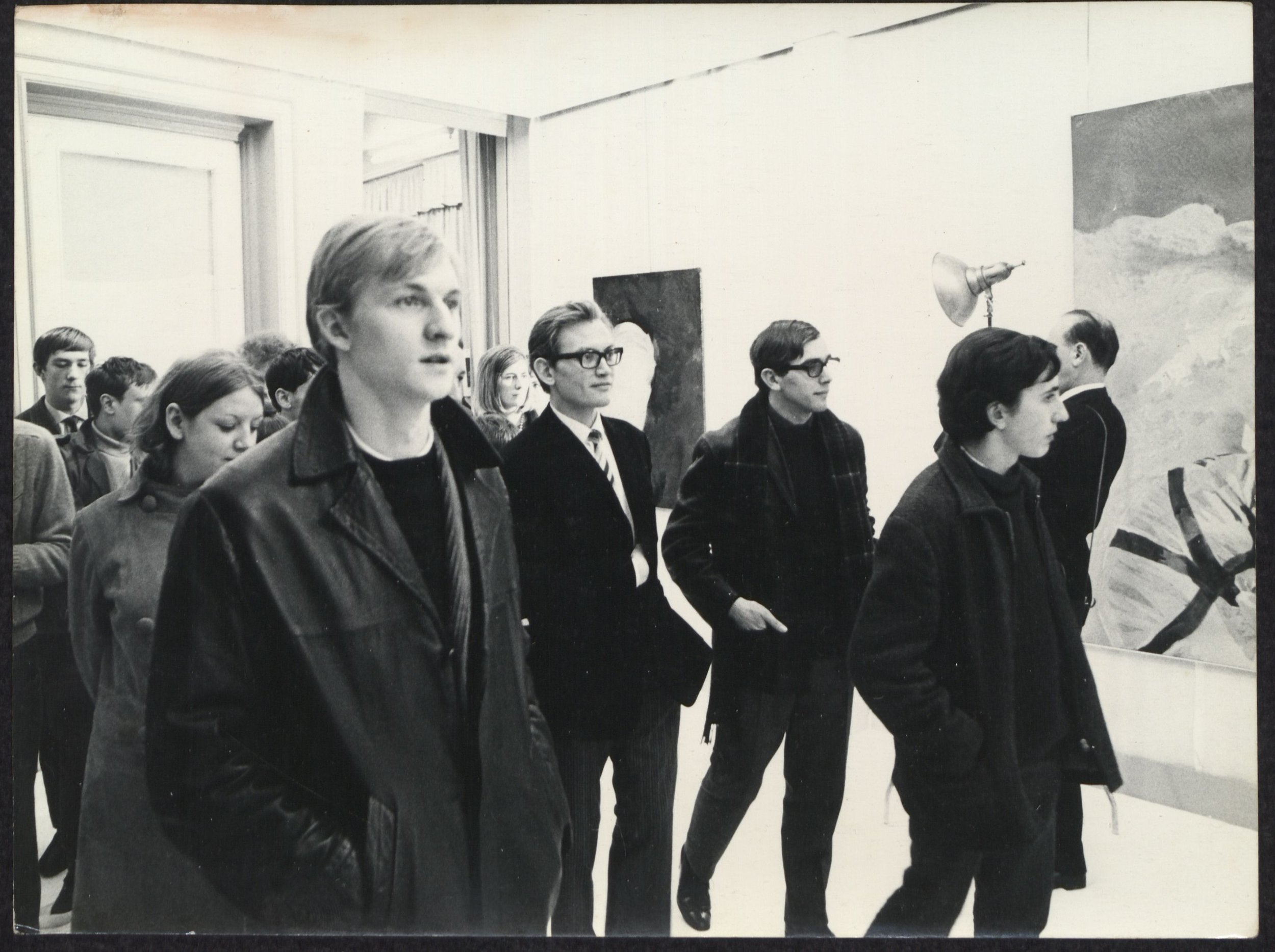
Photo Exhibition Report, Brussels, 1967. Photographer unknown.
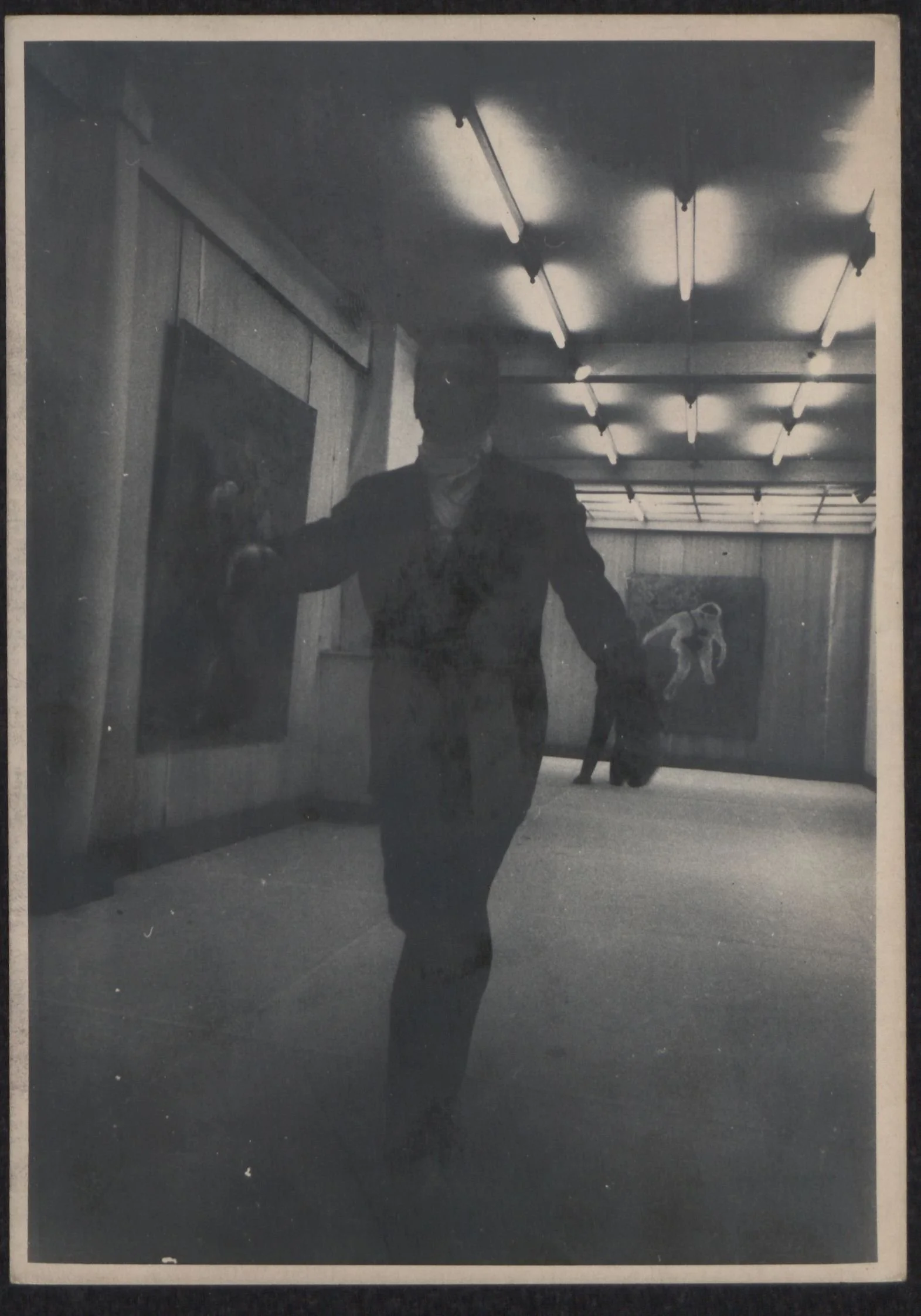
Photo Exhibition Report, Brussels, 1967. Photographer unknown.
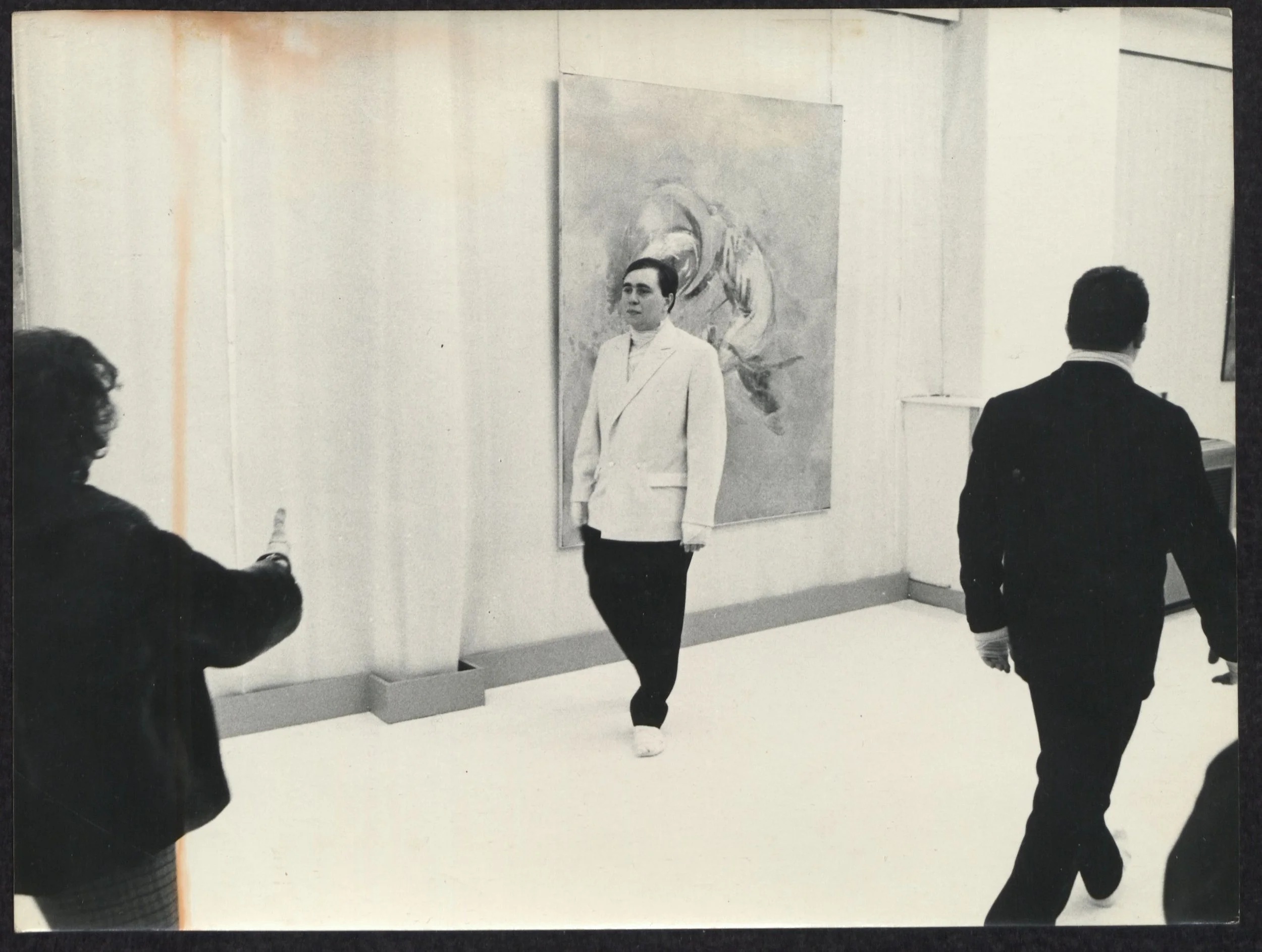
Photo Exhibition Reportage, Brussels, 1967. Photographer unknown.
Reportage
“Following discussions with Broodthaers, Van den Berghe conceived the idea of bringing together a number of young Belgian artists whose work he admired under the banner of Reportage. In addition to Van den Berghe, Christiaens, and Broodthaers, this group eventually included Dees De Bruyne (1940–1998), Etienne Bertozzi (1926–2019), Frans Van Roosmaelen (1943–2013), Panamarenko (1940–2019), and Jacques Charlier. Their first major achievement as a group was a happening on September 1, 1967, at various public locations in the heart of Brussels. The event served as an announcement for the Modern British Theatre evenings and the Poetic Show, which were held a month later at the Centre for Fine Arts.”
From: https://www.dewitteraaf.be/artikel/naar-de-letter/.
“One of the first projects Roland van den Berghe undertook together with Marcel Broodthaers and several other artists was ‘reportage.’ It was a traveling exhibition that visited various Belgian universities. It was a typical experiment for that time. The focus was not on the artwork as a finished object to be preserved, but on the act itself. Broodthaers, who wrote the catalog text, put it this way: “What connects the participants is the need for communication. What distinguishes this group from many others is the way in which it came into being, namely without the cooperation of any official body. Thus, not the slightest advice was sought or given by the government regarding the appropriateness of this event.” A genuine artists’ protest that fits well within university life during that period.”
From: Aspects of Belgian Art after ’45, Volume 1, Willem Elias, pages 174–175, 2008.
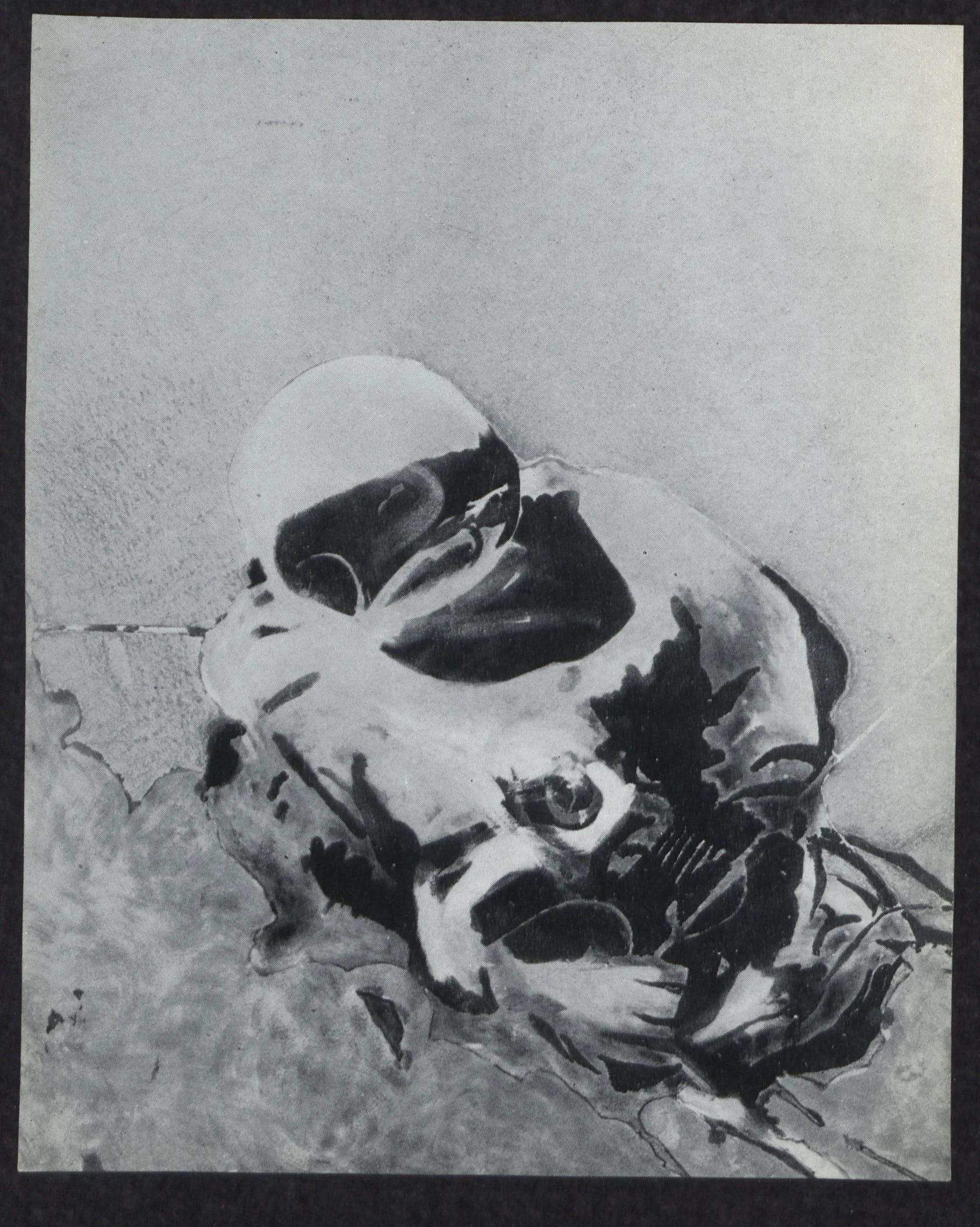
Section (painting: oil on canvas), Brussels, 1967. Roland Van den Berghe Archive.
Invitation to a photo shoot, Brussels, 1967. Roland Van den Berghe Archive.
“During the interuniversity ‘Reportage’ exhibition, Van den Berghe displays paintings of astronauts floating in space and of S.A.M. rockets (created using rubber modeling). These are rendered in a photorealistic style reminiscent of Lowell Nesbitt and JC Clarke. Van den Berghe explains: ‘Reportage teaches us once again that the image is essential, embodying possibility.’ But this also exposes vulnerability. And to prove that the walls that enclose us must be broken down, Van den Berghe—analogous to Carl Andre’s minimal tiles—places his paintings on the floor: art is the solid ground of his starting point; life is his goal. Art does not obscure, does not embellish; art calls for a cultural revolution.”
From: Catalog Rug for Rent, by Wouter Kotte, Museum of Contemporary Art, Utrecht, 1974.
Timeline
March 11, 1967
On Saturday, March 11, at 4 p.m., we will hold an opening for Dees De Bruyne and Roland Van den Berghe.
October 1967
Marcel Broodthaers writes the introductory text for the catalog of the interuniversity exhibition.
September 30 – October 6, 1967
British Theater Week featuring, among others, Jacques Charlier, Emile Christiaens, Roland Van den Berghe, and Frans Van Roosmaelen.
1967 – 1968
During the academic year, the tour visits various Belgian university cities, including Brussels, Leuven, Ghent, Liège, and Antwerp.
November 16, 1967
Distribution of invitations to the exhibition in Antwerp.
December 11 – December 23, 1967 (-1968)
Invitation to the opening of Reportage, in the main hall of the student union building at the Vrije Universiteit Brussel (VUB).
February 3 – February 16, 1968
The exhibition travels to the Galerie Richard Foncke and the Information Center “het 5e wiel” in Ghent.
May 30, 1968
Clito
Affiche Reportage, Brussel, 1967.